245 E Bonita Ave San Dimas CA 91773
 909.394.6200




September is National Preparedness Month
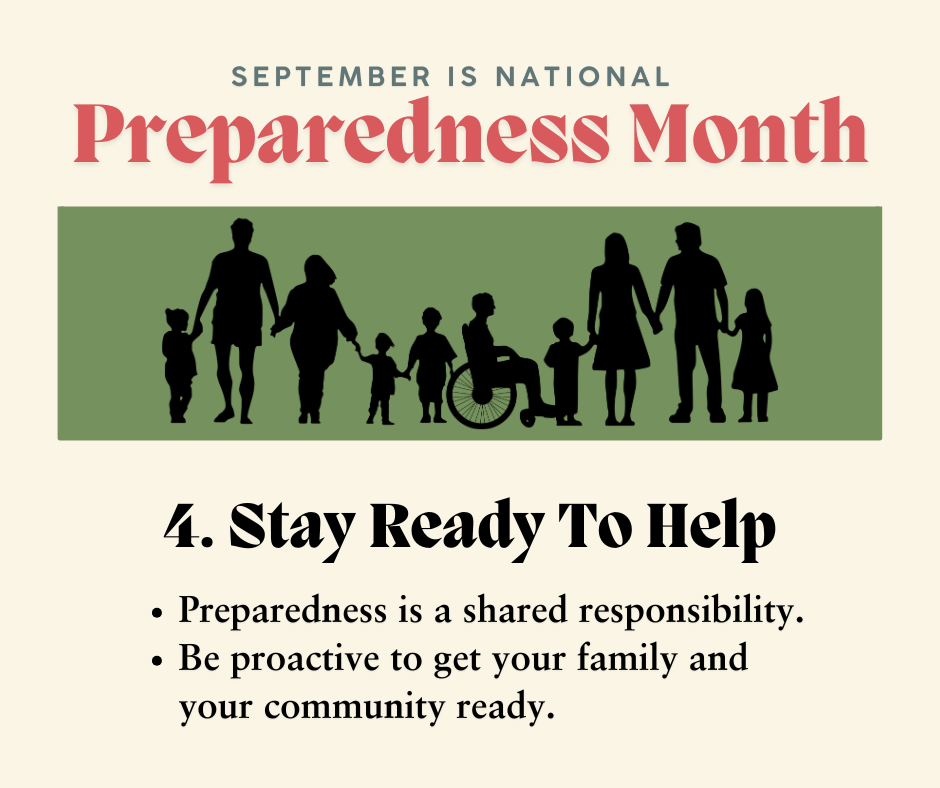
4. Stay Ready To Help
Emergencies can happen fast, and emergency responders aren’t always nearby. You may be able to help others by taking simple actions now. Get to know your neighbors and invite them to be a part of your emergency plan. Get involved in preparing your community for disasters. From volunteering in your community to learning skills like how to use a fire extinguisher, first aid and CPR, you can take steps to prepare for disasters and keep your family safe and make your neighborhood and community more resilient. Training courses are available through FEMA’s Training and Education Program and the American Red Cross to build or gain skills to protect yourself, family, friends and community.
Click here for more Emergency Preparedness information.
September 17, 2026
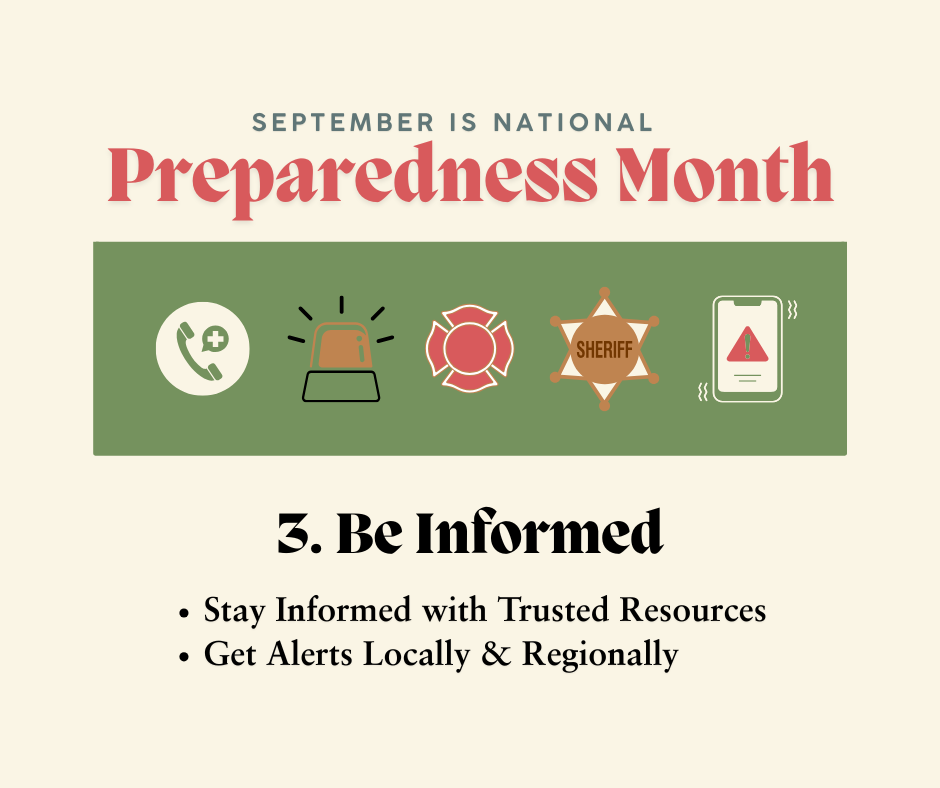
3. Be Informed
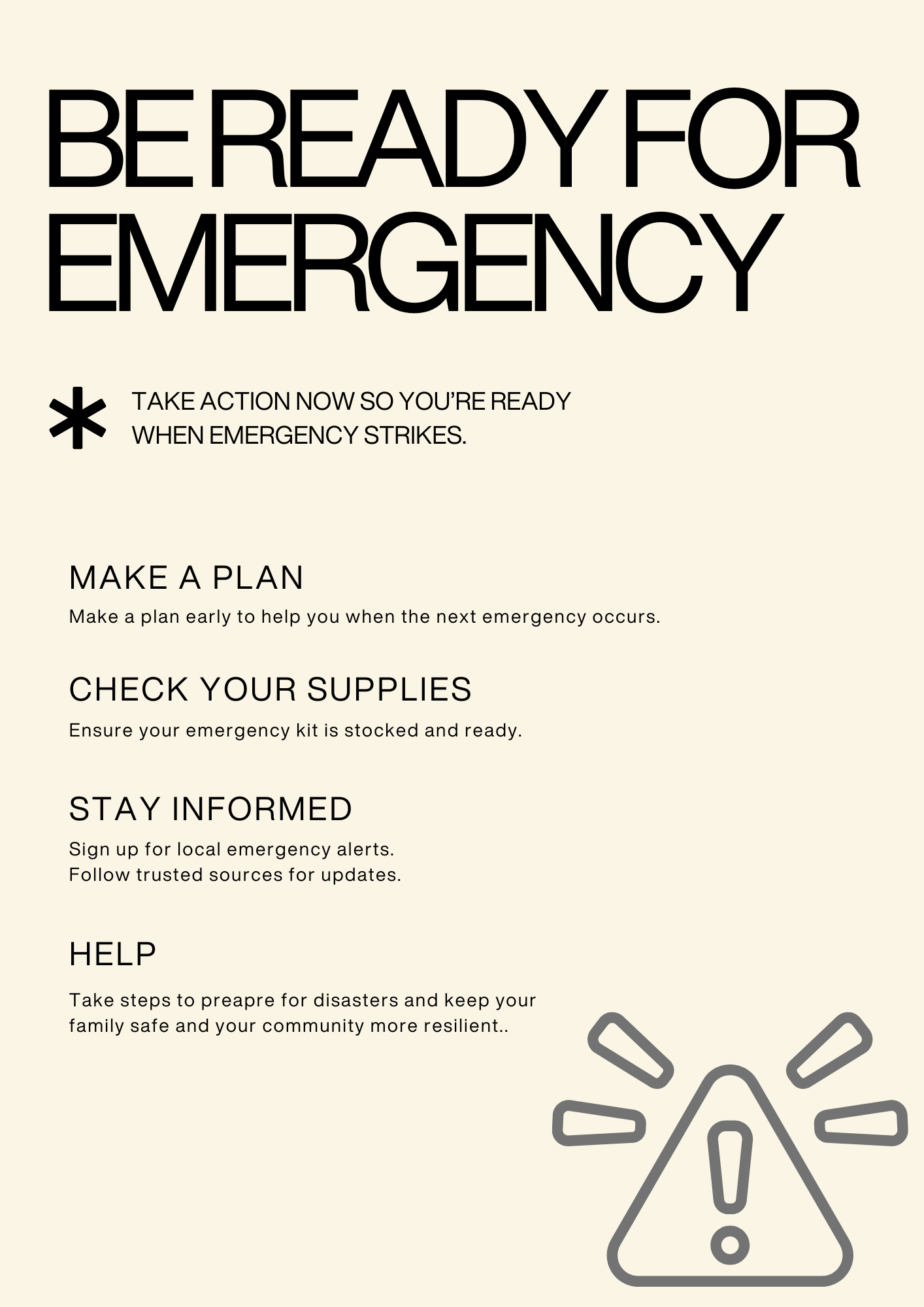
Be Informed: Get Alerts. Sign up for emergency alerts. Disasters can happen suddenly, so it’s important to have multiple ways to be notified.
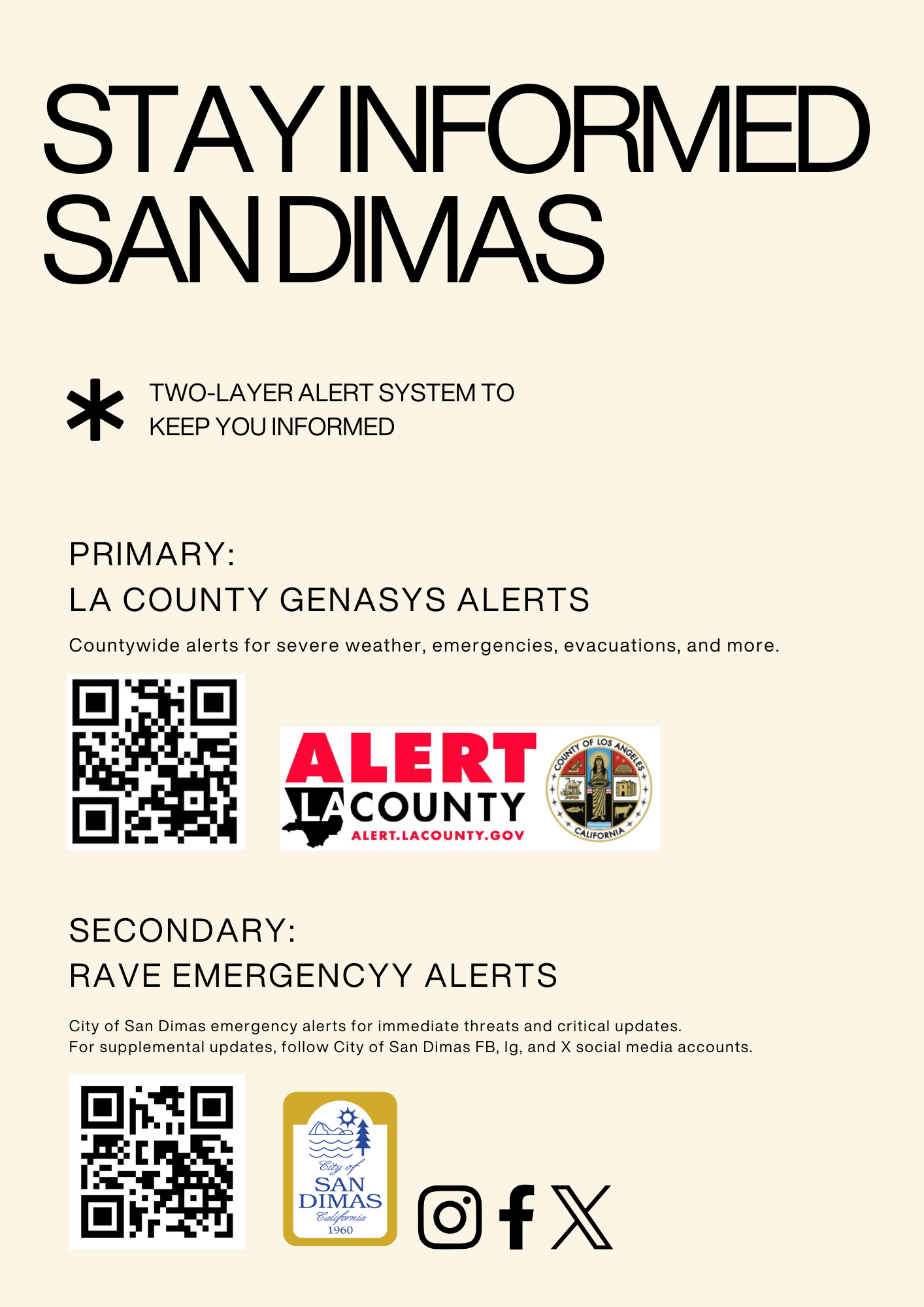
Two-Layer Alert System to keep you informed:
The National Oceanic and Atmospheric Administration (NOAA) Weather Radio also provide emergency alerts.
Evacuation. Having evacuation plans in place can save valuable time and, most importantly, lives. Always follow the instructions of local officials and remember that your evacuation route may be on foot depending on the type of disaster. Whether it's the home of a friend or family member or a pre-designated shelter, know your evacuation destination. Visit www.ready.gov/evacuation for evacuation tips.
Schools and Childcare. Protecting children is a parent’s number one priority and responsibility. Make sure you know the evacuation and reunification plans of your children’s school and childcare. Be sure these facilities have your most up to date contact information and know who should be contacted if you can’t be reached in an emergency.
Click here for more Emergency Preparedness information.
September 10, 2026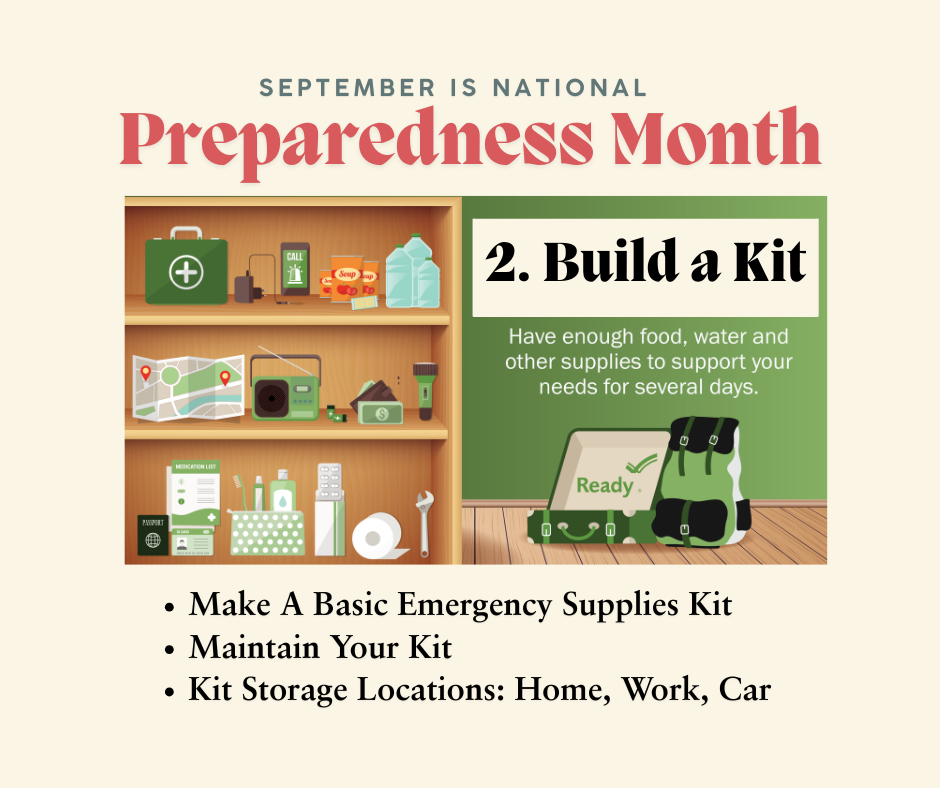
2. Build a Kit
Build a kit: We know how to keep our loved ones safe when things go wrong, but do you have what you need to stay safe and comfortable until help arrives? You may think building a well-stocked emergency kit is difficult or expensive, but it doesn’t need to be. You can gather supplies over time, starting with items you may already have at home like canned food and first aid supplies. Visit www.ready.gov/kit for a list of items to include and how to tailor your kit to meet your family’s needs.
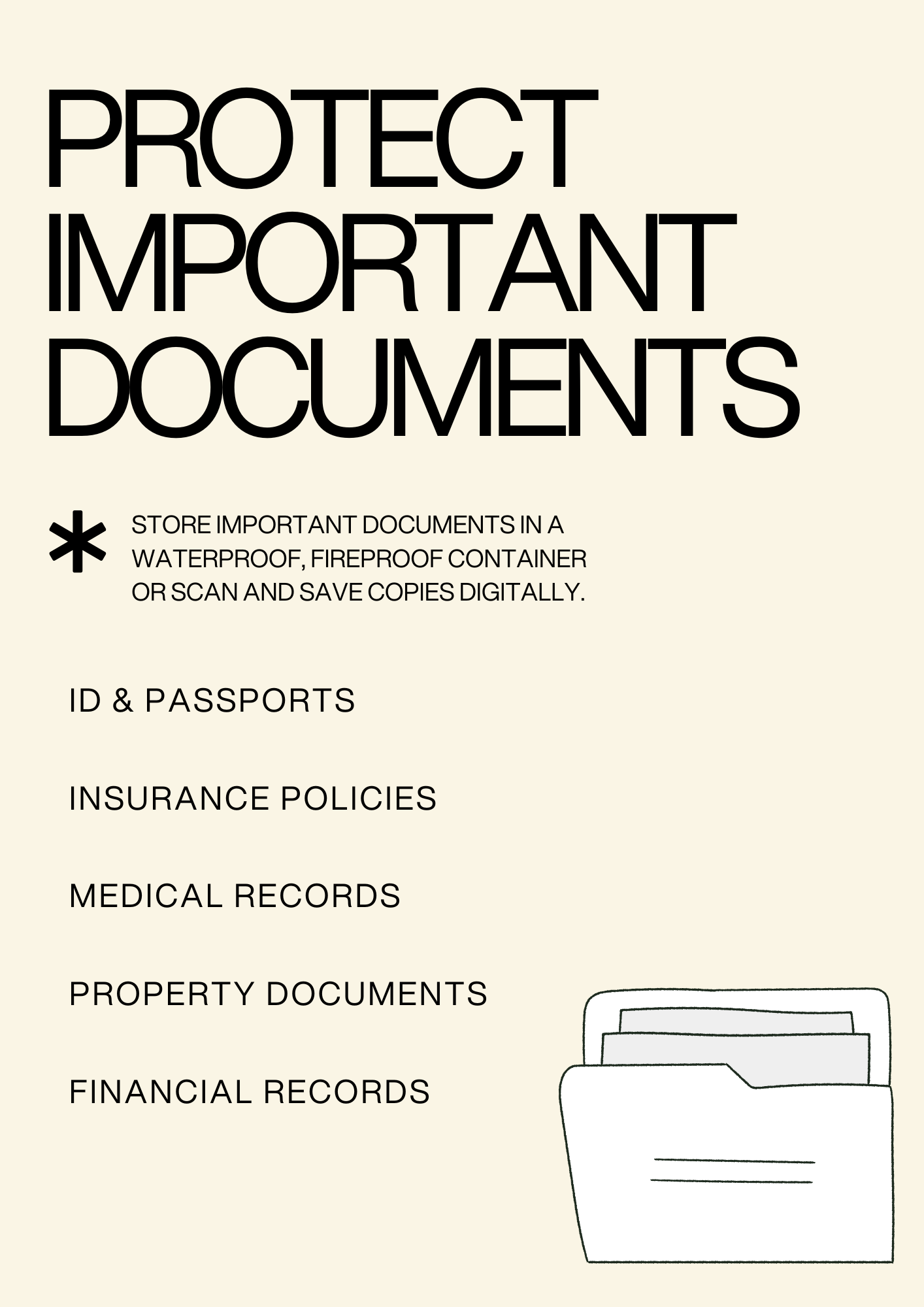
If you or someone in your home has a disability or relies on medicine or equipment, it’s crucial to plan for daily needs and know what you would do if they became limited or unavailable. Additional planning steps include: having your basic survival supplies, and your emergency kit should have items to meet your individual needs in various emergencies. Consider the items you use every day and which ones you may need to add to your kit. Visit www.ready.gov/people-disabilities for more tips for people with disabilities.
Pets need emergency supplies too. Make sure every member of your household is included in your emergency plans, including pets.
Click here for more Emergency Preparedness information.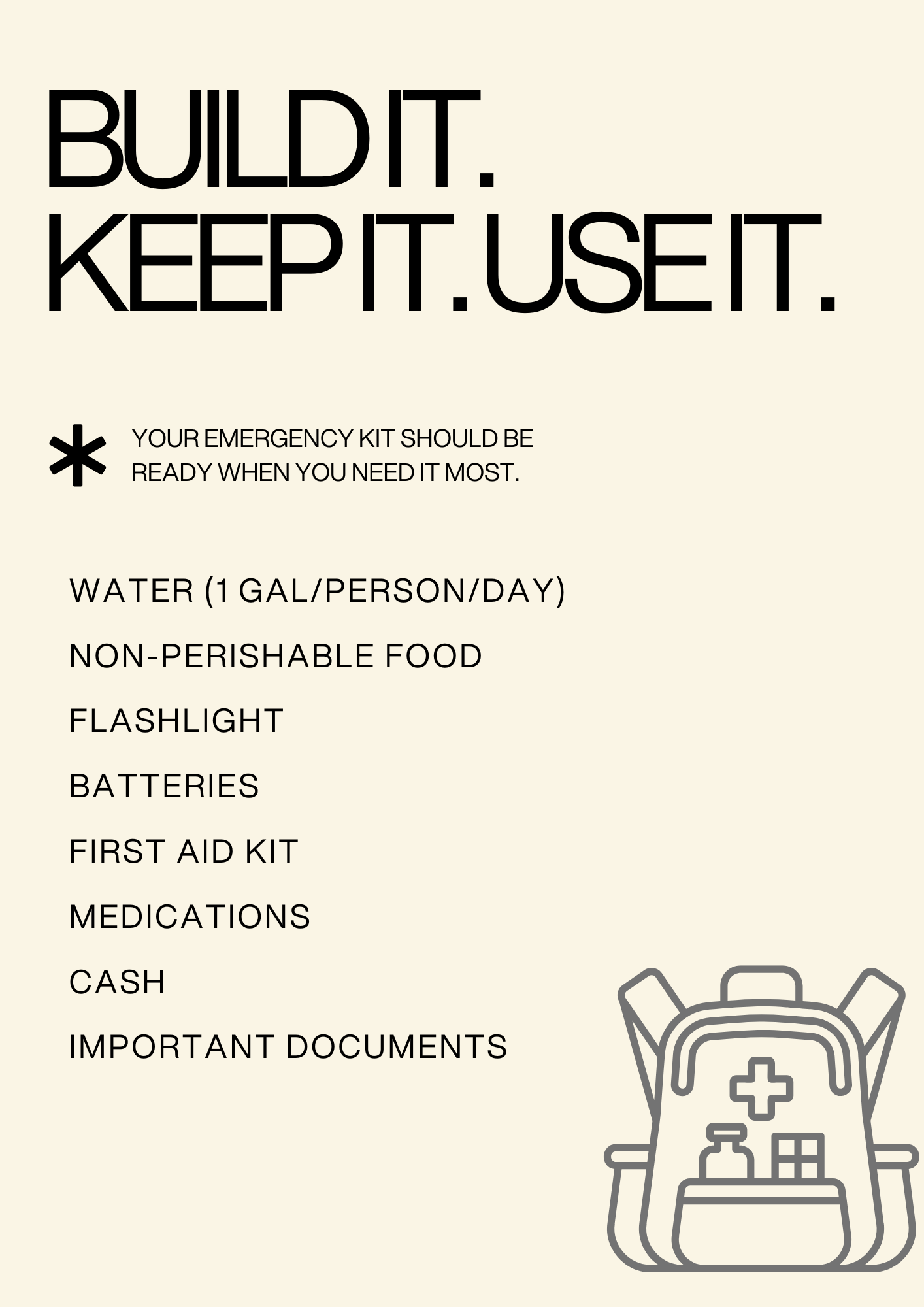
September 3, 2026.png?t=202609031719570)
1. Make A Plan
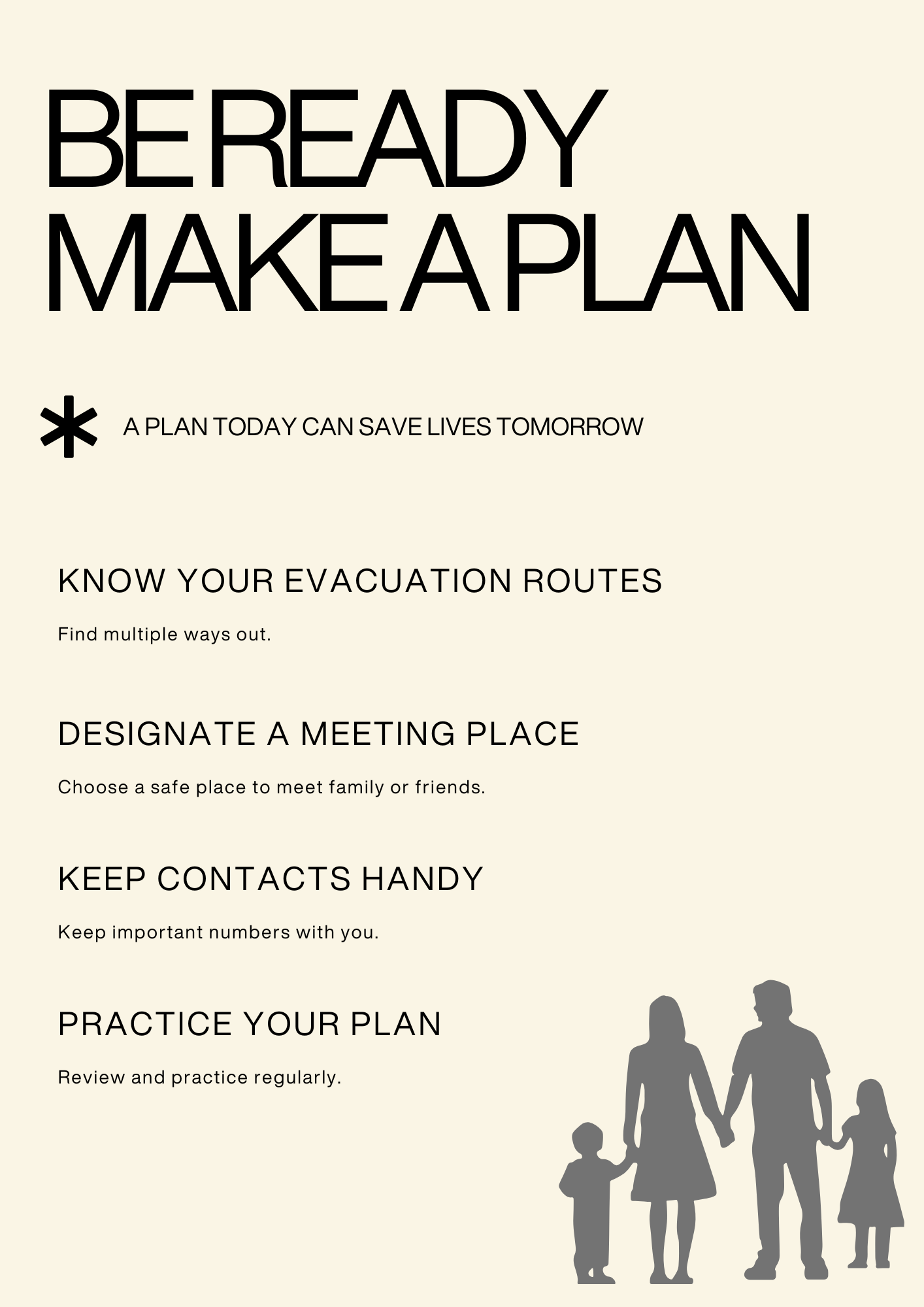
Make a plan for your household, including your pets, so that you and your family know what to do, where to go, and what you will need during a disaster. Consider the unique risks of where you live and the needs of your family.
Making a plan early helps you reduce stress and can save time and money. Visit www.ready.gov/plan to follow easy steps and create a free Family Emergency Plan quickly and easily with a fillable form.
If you or someone in your home has a disability, you may need to take additional steps to stay safe. It’s crucial to plan for your daily needs and know what you would do if they became limited or unavailable.
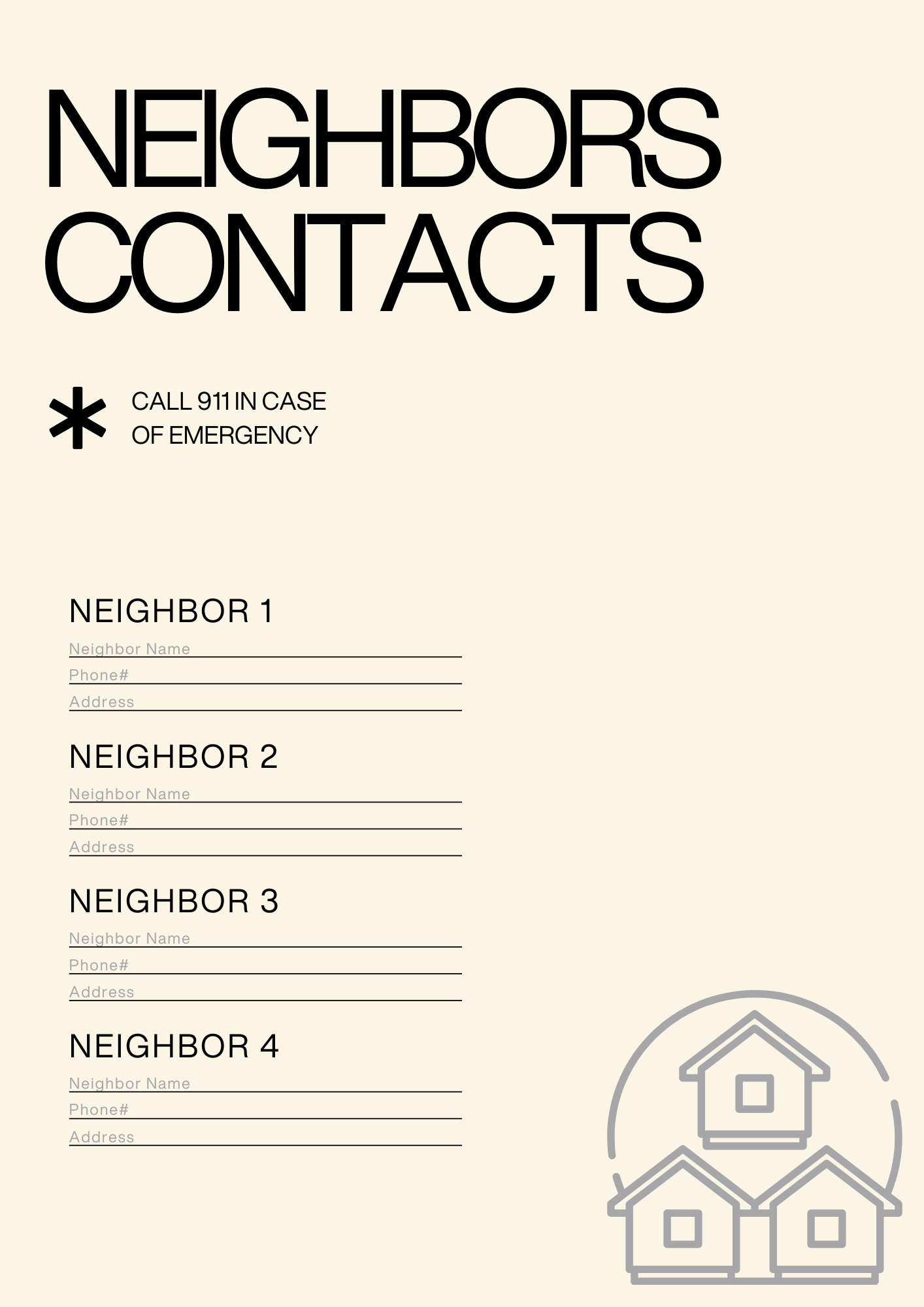
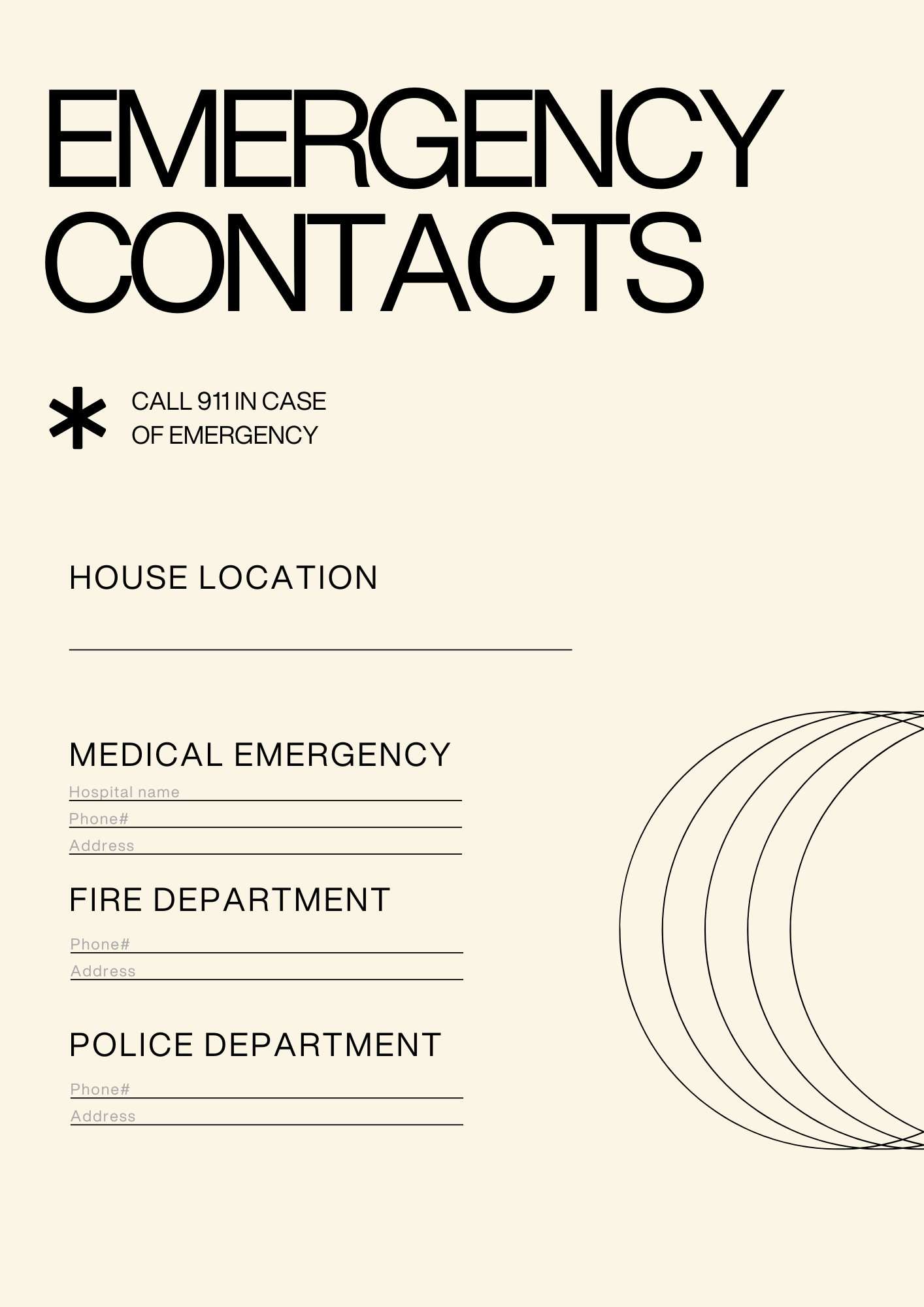
Today's Prep Tip: Keep emergency contact cards in everyone's wallet and backpack. Include an out-of-state contact, if possible. They may be easier to reach during a local emergency.
Click here for more Emergency Preparedness information.